As conversations around soil biology continue to grow throughout the agriculture and landscaping industries, more attention is being placed on what creates high-quality compost in the first place.
The answer starts with the process.
A properly managed composting process naturally develops beneficial biology throughout the composting cycle itself. Through controlled oxygen levels, moisture management, heat cycles, active turning, and sufficient curing time, microbial activity develops as organic materials break down and stabilize over time.
In other words, when compost is processed correctly, the biology will already be there.
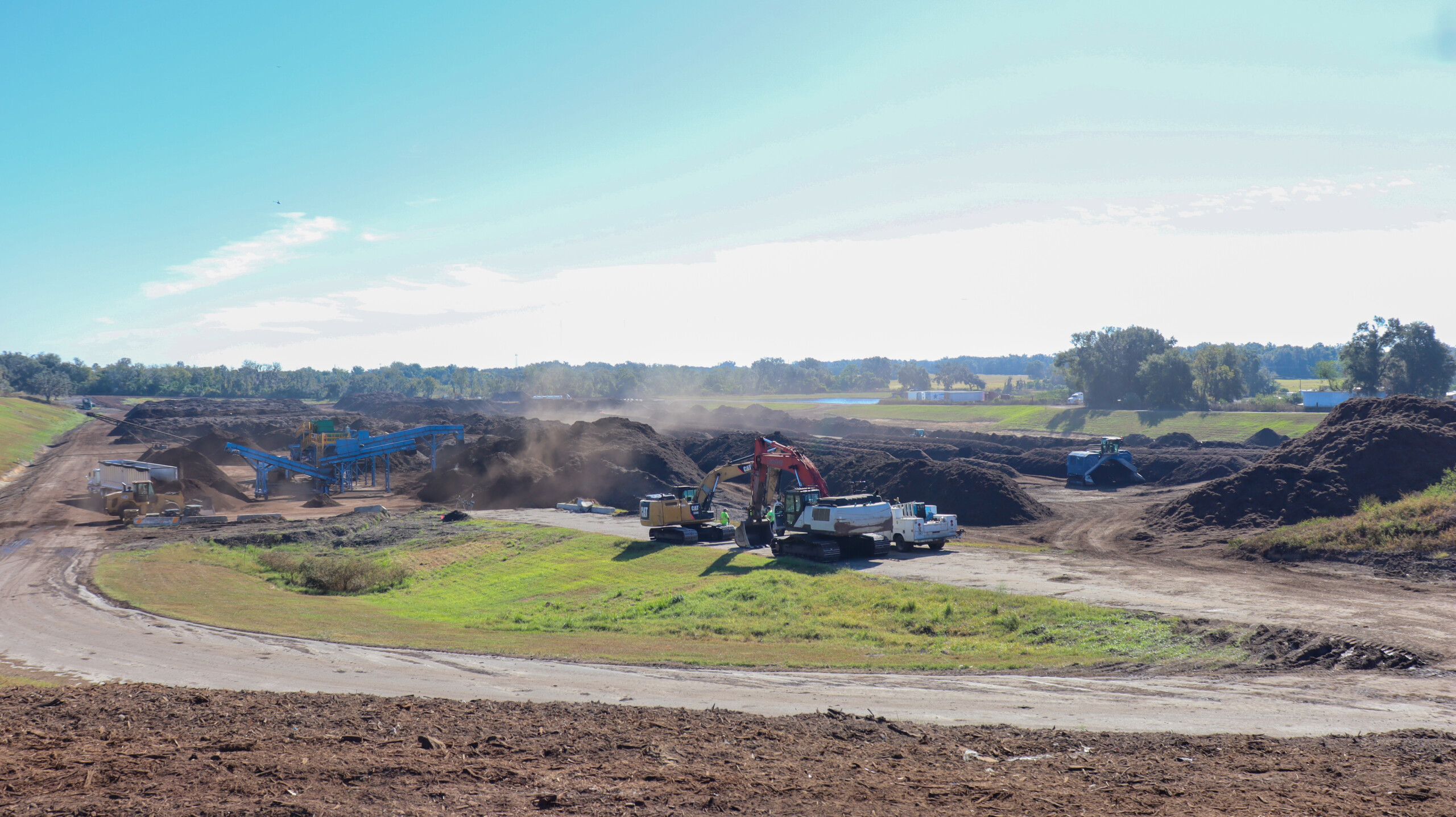
Composting is a biological process from start to finish. Every stage plays a role in creating a stable, mature product capable of supporting healthy soils, plant growth, and long-term soil performance. Temperature management supports microbial activity and helps reduce pathogens and weed seeds. Aeration and turning maintain oxygen flow throughout the windrow. Curing allows the compost biology to stabilize and mature before the product is ready for use.
These aren’t optional steps. They are what define properly finished compost.
Veransa’s focus remains on producing compost through a controlled, process-driven approach designed to create consistency and stability throughout every batch. The goal is not simply to produce compost, it is to produce a complete compost product that is fully cured, biologically active, and ready to perform before it ever reaches the field or landscape.
As the industry continues to evolve, it’s important to remember that compost quality is ultimately determined by the composting process itself. The strongest biological systems are developed naturally through proper composting conditions over time.
Because when compost is done right, the biology will already be there.
Related Posts

As conversations around soil biology continue to grow throughout the agriculture and landscaping industries, more attention is being placed on what creates high-quality compost in the first place.
The answer starts with the process.
A properly managed composting process naturally develops beneficial biology throughout the composting cycle itself. Through controlled oxygen levels, moisture management, heat cycles, active turning, and sufficient curing time, microbial activity develops as organic materials break down and stabilize over time.
In other words, when compost is processed correctly, the biology will already be there.
Composting is a biological process from start to finish. Every stage plays a role in creating a stable, mature product capable of supporting healthy soils, plant growth, and long-term soil performance. Temperature management supports microbial activity and helps reduce pathogens and weed seeds. Aeration and turning maintain oxygen flow throughout the windrow. Curing allows the compost biology to stabilize and mature before the product is ready for use.
These aren’t optional steps. They are what define properly finished compost.
Veransa’s focus remains on producing compost through a controlled, process-driven approach designed to create consistency and stability throughout every batch. The goal is not simply to produce compost, it is to produce a complete compost product that is fully cured, biologically active, and ready to perform before it ever reaches the field or landscape.
As the industry continues to evolve, it’s important to remember that compost quality is ultimately determined by the composting process itself. The strongest biological systems are developed naturally through proper composting conditions over time.
Because when compost is done right, the biology will already be there.