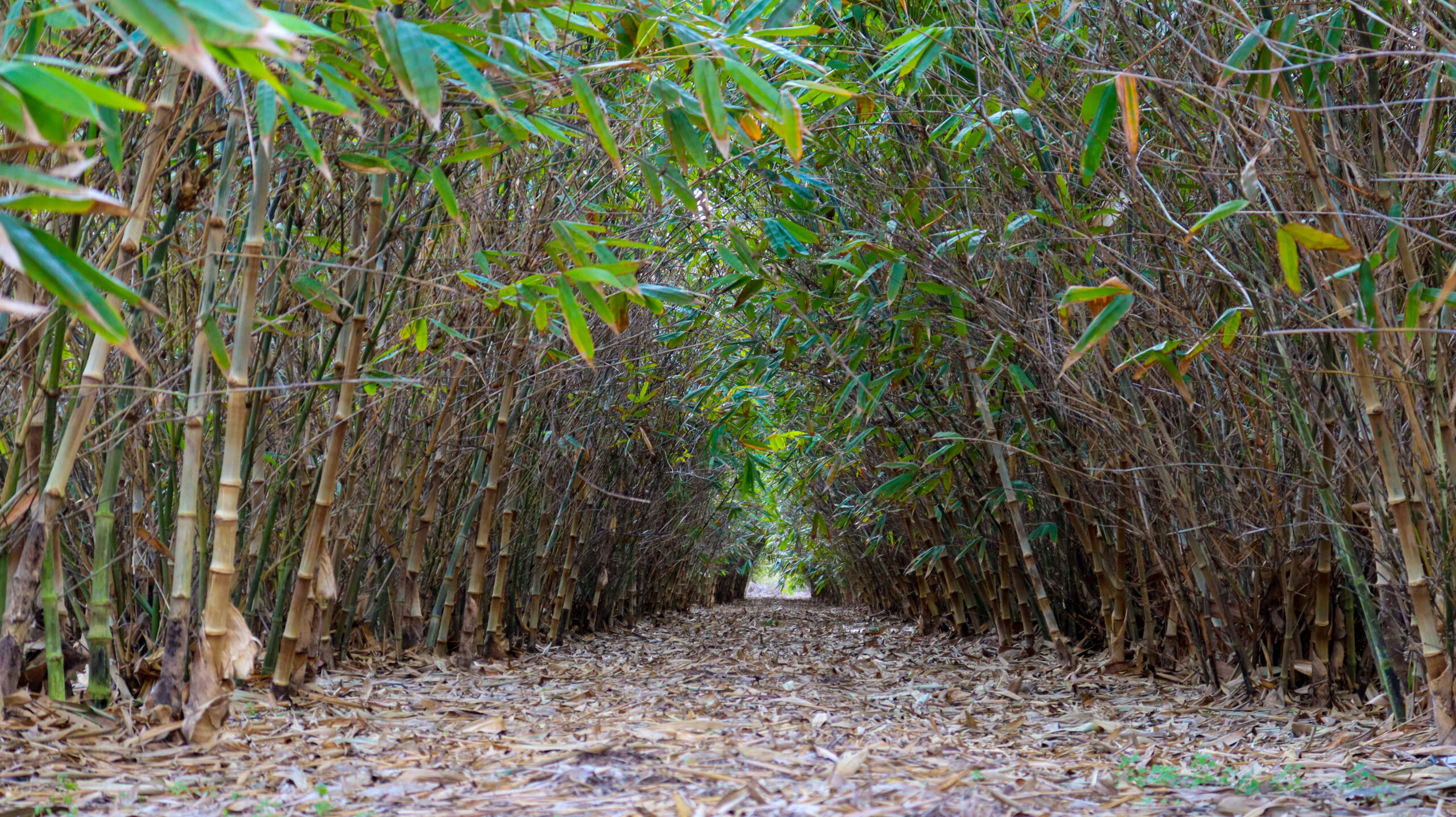
Greenfield Bamboo Farm | Photo by Rema Alahmad
The biggest agricultural breakthroughs don’t always arrive with new machinery or synthetic inputs. Sometimes, they show up quietly, in the soil.
What began as a targeted trial on a single bamboo farm has evolved into a defining lesson for modern agriculture: where and how compost is applied can fundamentally change crop performance, soil health, and long-term productivity.
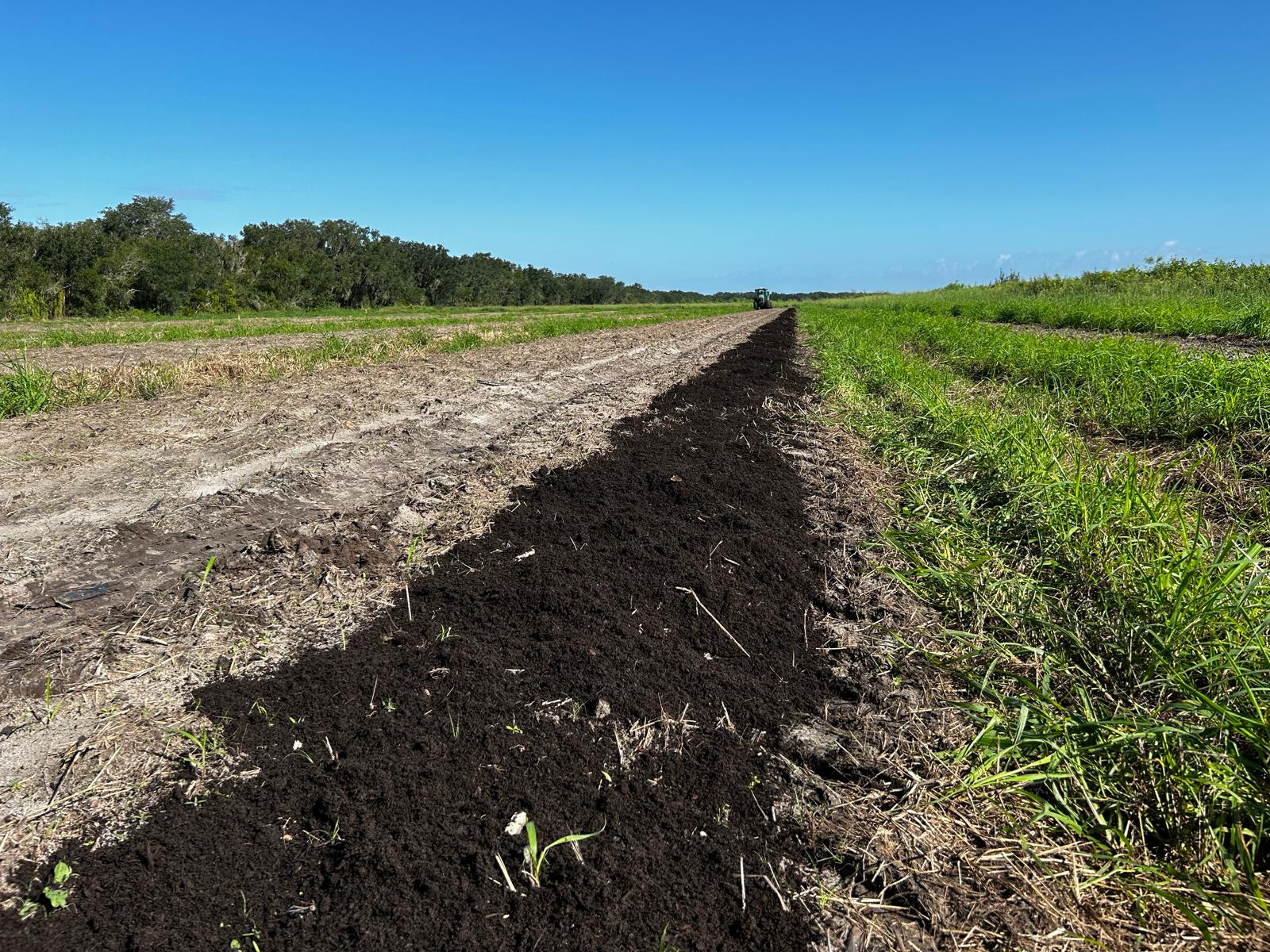
Veransa banding the rows at Greenfield Bamboo via 2022 | Photo by Alex Marks
“This is the one where we came in and banded the rows before the plastic went down,” recalled Alex Marks, VP of Business Development at Veransa, while walking the fields where the breakthrough first became undeniable. “We centered it, then did the bed form after.”
This wasn’t a guess-and-check approach. It was science-based.
The operation was to place compost in-row, where roots would grow, with a targeted goal of increasing organic matter by just 1%.
“I remember being told, ‘The compost is going into this farm right here. We’re just going to try it out,’” said Kevin Barley, President of Greenfield Bamboo. “And that turned out to be the most effective thing we could do.”
By the 2023 growing season, compost was incorporated across the Sorrells farm. The results were immediate and impossible to ignore.
“We’re seeing all the new plantings, and they were like rockets,” Kevin said. “There was just no comparison. They were a year ahead.”
Fields planted only a year and a half earlier were outperforming older plantings. Bamboo was taller, thicker, and visibly more robust. Measurements confirmed what the eye could already see—height, diameter, structural strength—every metric pointed to accelerated maturity.
“There’s real value in achieving maturity at a quicker pace,” Kevin explained. “That translates into a crop.”
In agriculture, time matters. Advancing a crop’s maturity by an entire year isn’t just impressive, it’s economically transformative.
What makes this story especially powerful is that it isn’t driven by anecdote alone. Soil data confirmed the visual results.
Soil scientist Nick Castro laid it out plainly.
“Kevin, just so you understand, the organic material in the soil is 2.3% here, versus 1.2% at Sweetwater,” Castro told him. “And that’s a big deal.”
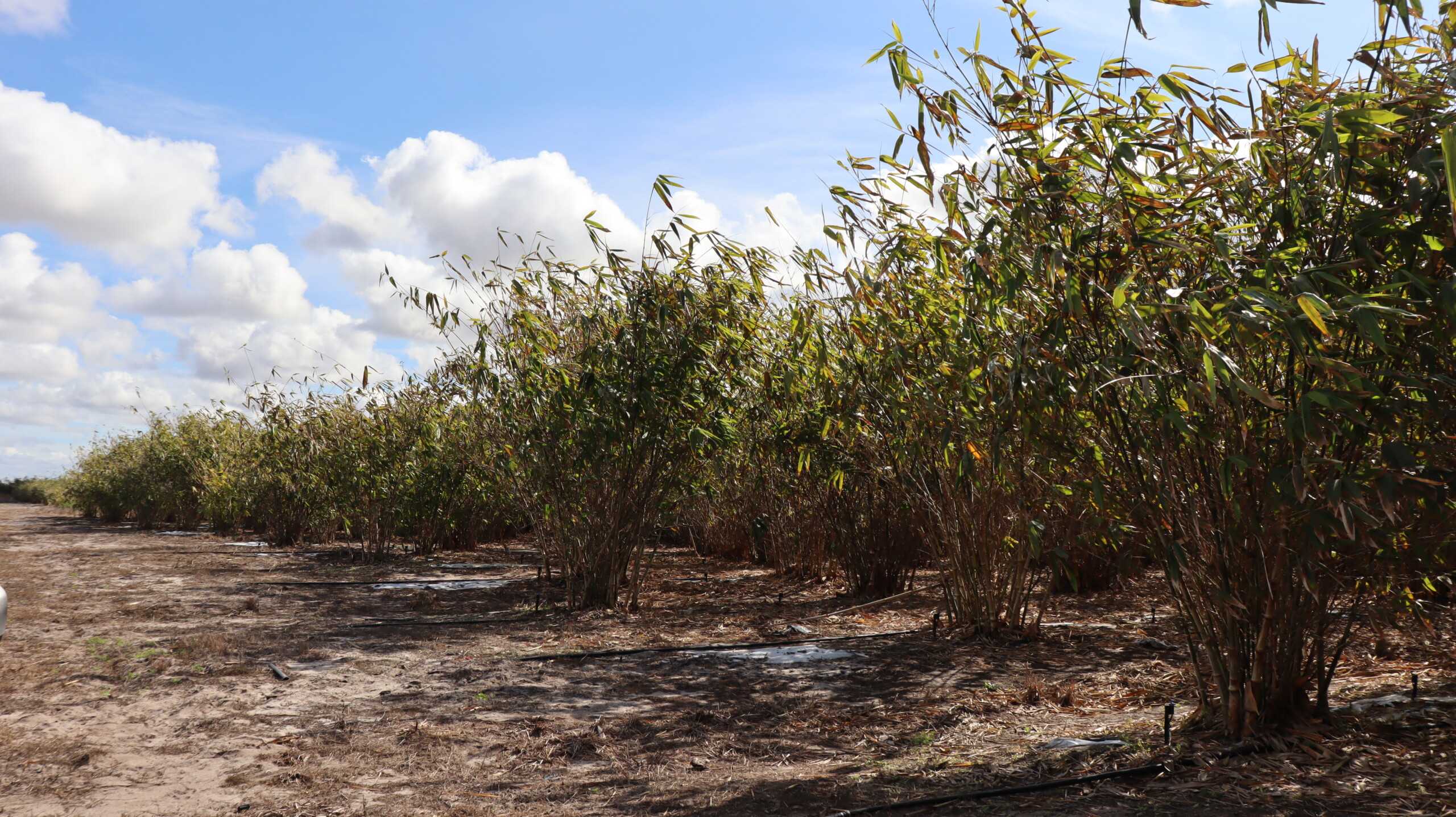
Greenfield Bamboo, Year 2 plants | Photo by Rema Alahmad
On former citrus groves dominated by sandy soils, untreated farms typically hovered between 1.2–1.4% organic matter. Fields where compost was placed before planting reached 2.3%. Nearly double.
That single percentage point increase represents a massive shift in soil biology, nutrient availability, and water dynamics.
“That extra 1% organic matter translates to about 20,000 additional gallons of water-holding capacity per acre,” Kevin said. “Bamboo is water-sensitive, so this is huge.”
More water-holding capacity also means better nutrient retention. Instead of nutrients flushing through sandy soils, plants receive a steady, sustained supply.
“The results are cumulative,” he added.
What began as a single-farm experiment is now standard operating procedure.
Annual compost applications are being rolled out across all 500 acres under management, including a challenging 150-acre sandy ridge east of Fort Meade.
“The best thing we can do there is treat the soil every year,” Kevin said. “We’re making that plan because we’re seeing the impact.”
This shift isn’t being driven by regulation or compliance.
“We’re doing this because it brings value,” he said. “It’s the right thing to do, and it works.”
Across crops and regions, growers are beginning to see similar outcomes. Citrus and orchard systems are benefiting from annual compost applications on established fields. Annual crops, from strawberries and leafy greens to melons, are recognizing improvements in plant health, resilience and productivity.
As agriculture faces rising input costs, climate pressure, and degraded soils, this discovery feels less like a trend and more like a return to something fundamental…
Healthy soil grows better plants.
“These fields were planted a year and a half ago,” Kevin said, gesturing toward towering bamboo. “That does not look like a year-two farm. And the reason it’s so big already is because of the compost.”
For an industry searching for answers, the message is increasingly clear: the future of agriculture may not lie in doing more, but in putting the right material in the right place, at the right time, starting with the soil itself.
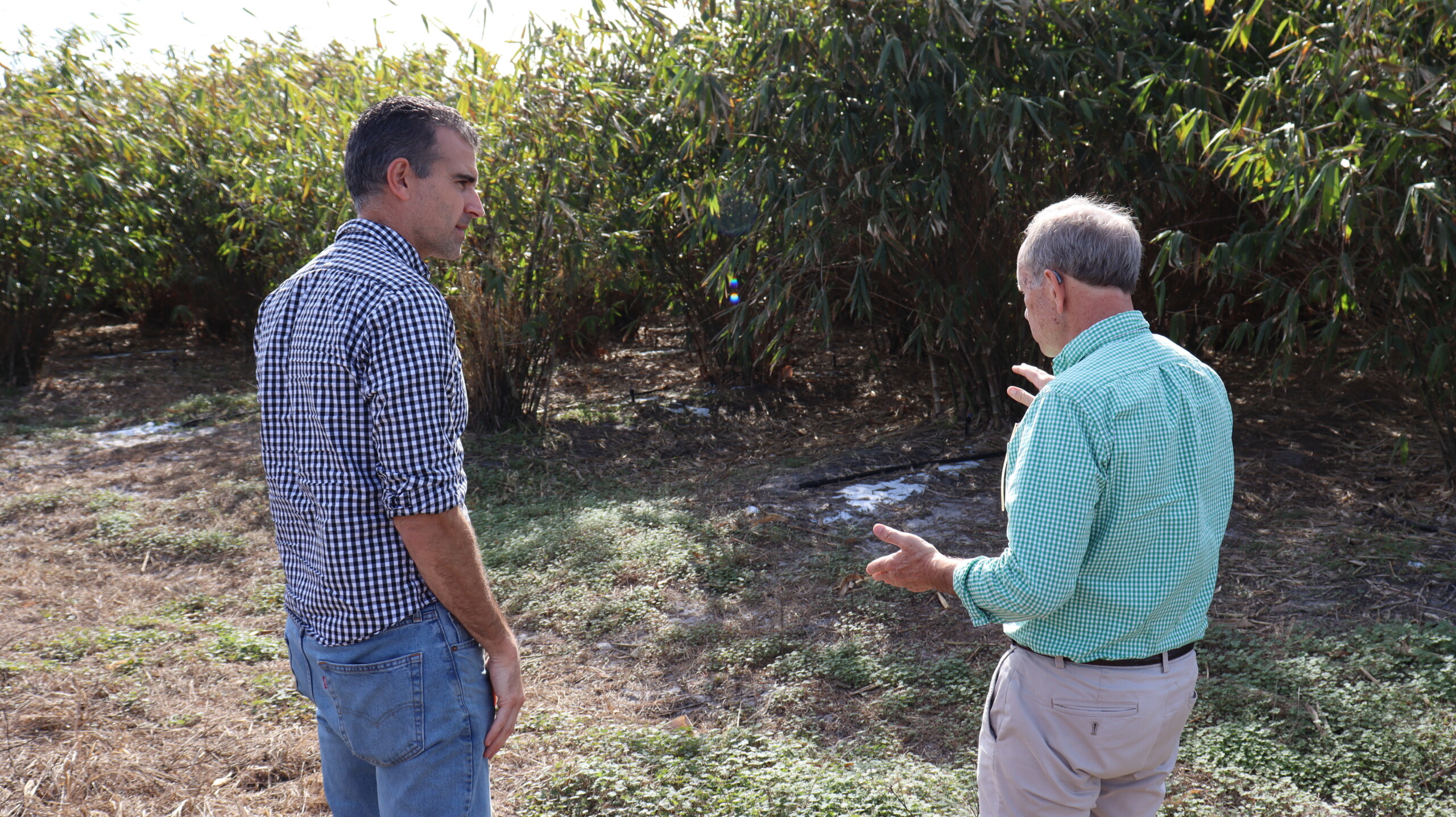
Alex Marks, Veransa & Kevin Barley, Greenfield Bamboo | Photo by Rema Alahmad
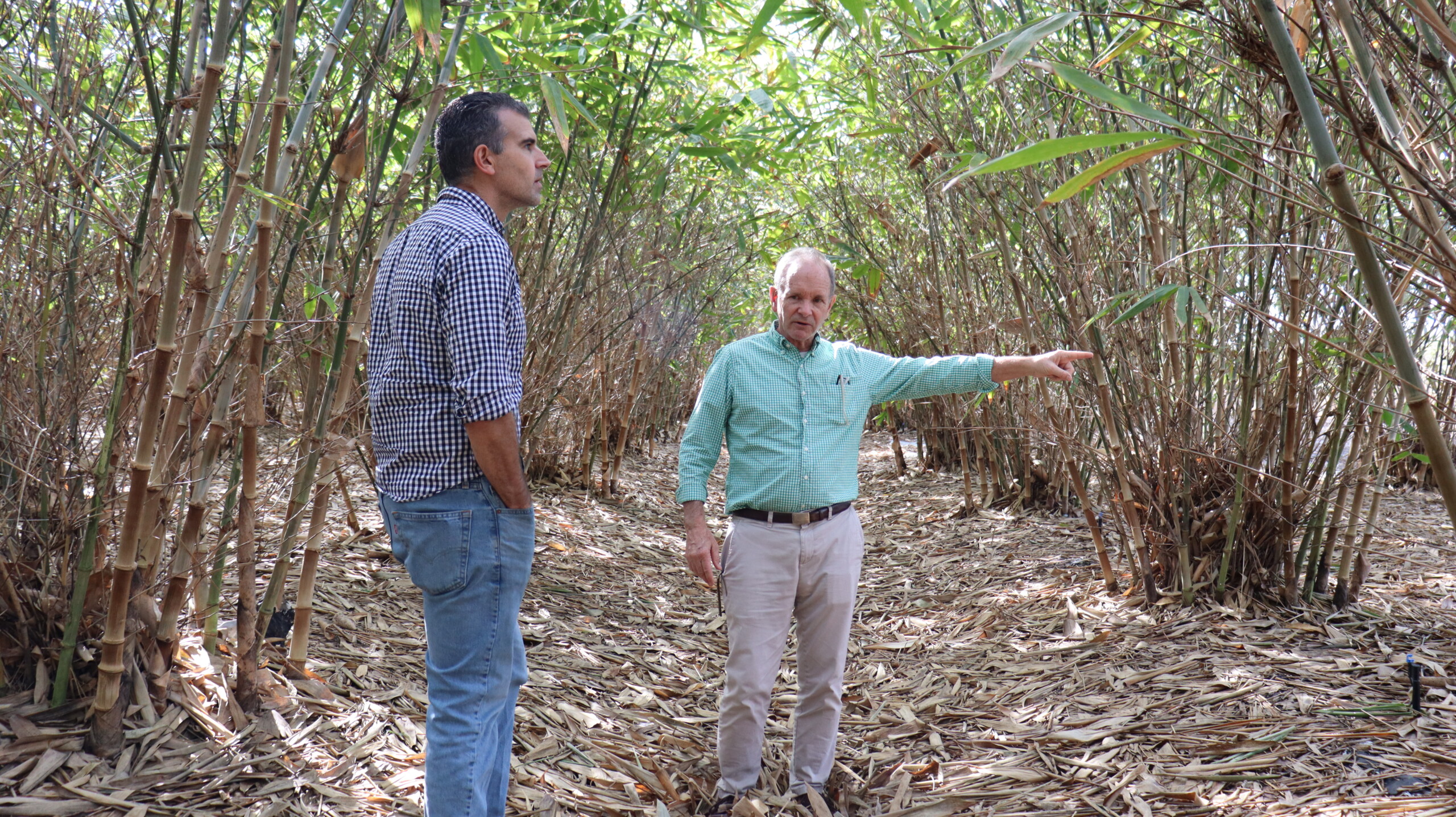
Alex Marks, Veransa & Kevin Barley, Greenfield Bamboo | Photo by Rema Alahmad
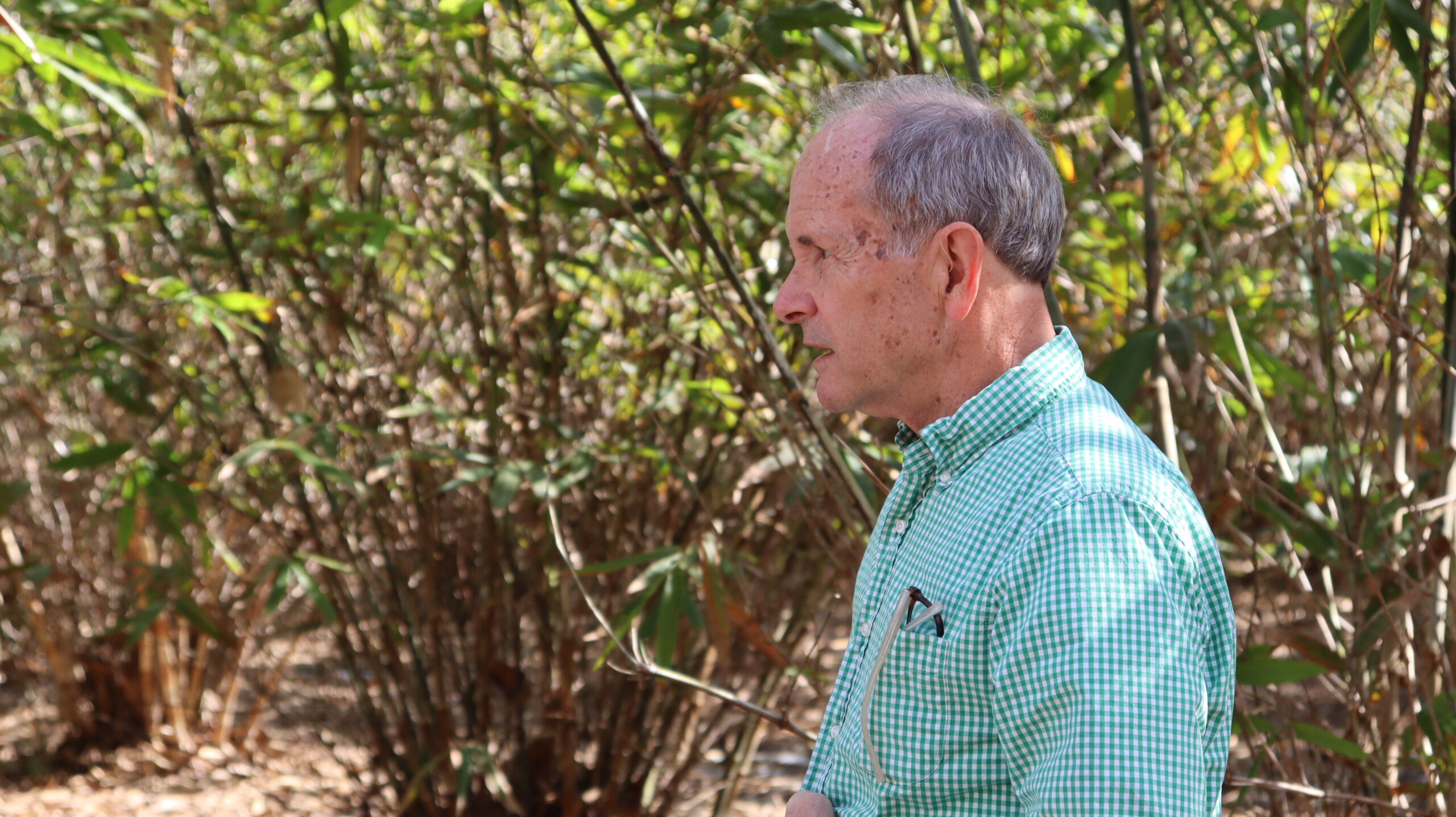
Kevin Barley, Greenfield Bamboo | Photo by Rema Alahmad
Related Posts

Greenfield Bamboo Farm | Photo by Rema Alahmad
The biggest agricultural breakthroughs don’t always arrive with new machinery or synthetic inputs. Sometimes, they show up quietly, in the soil.
What began as a targeted trial on a single bamboo farm has evolved into a defining lesson for modern agriculture: where and how compost is applied can fundamentally change crop performance, soil health, and long-term productivity.
Veransa banding the rows at Greenfield Bamboo via 2022 | Photo by Alex Marks
“This is the one where we came in and banded the rows before the plastic went down,” recalled Alex Marks, VP of Business Development at Veransa, while walking the fields where the breakthrough first became undeniable. “We centered it, then did the bed form after.”
This wasn’t a guess-and-check approach. It was science-based.
The operation was to place compost in-row, where roots would grow, with a targeted goal of increasing organic matter by just 1%.
“I remember being told, ‘The compost is going into this farm right here. We’re just going to try it out,’” said Kevin Barley, President of Greenfield Bamboo. “And that turned out to be the most effective thing we could do.”
By the 2023 growing season, compost was incorporated across the Sorrells farm. The results were immediate and impossible to ignore.
“We’re seeing all the new plantings, and they were like rockets,” Kevin said. “There was just no comparison. They were a year ahead.”
Fields planted only a year and a half earlier were outperforming older plantings. Bamboo was taller, thicker, and visibly more robust. Measurements confirmed what the eye could already see—height, diameter, structural strength—every metric pointed to accelerated maturity.
“There’s real value in achieving maturity at a quicker pace,” Kevin explained. “That translates into a crop.”
In agriculture, time matters. Advancing a crop’s maturity by an entire year isn’t just impressive, it’s economically transformative.
What makes this story especially powerful is that it isn’t driven by anecdote alone. Soil data confirmed the visual results.
Soil scientist Nick Castro laid it out plainly.
“Kevin, just so you understand, the organic material in the soil is 2.3% here, versus 1.2% at Sweetwater,” Castro told him. “And that’s a big deal.”
Greenfield Bamboo, Year 2 plants | Photo by Rema Alahmad
On former citrus groves dominated by sandy soils, untreated farms typically hovered between 1.2–1.4% organic matter. Fields where compost was placed before planting reached 2.3%. Nearly double.
That single percentage point increase represents a massive shift in soil biology, nutrient availability, and water dynamics.
“That extra 1% organic matter translates to about 20,000 additional gallons of water-holding capacity per acre,” Kevin said. “Bamboo is water-sensitive, so this is huge.”
More water-holding capacity also means better nutrient retention. Instead of nutrients flushing through sandy soils, plants receive a steady, sustained supply.
“The results are cumulative,” he added.
What began as a single-farm experiment is now standard operating procedure.
Annual compost applications are being rolled out across all 500 acres under management, including a challenging 150-acre sandy ridge east of Fort Meade.
“The best thing we can do there is treat the soil every year,” Kevin said. “We’re making that plan because we’re seeing the impact.”
This shift isn’t being driven by regulation or compliance.
“We’re doing this because it brings value,” he said. “It’s the right thing to do, and it works.”
Across crops and regions, growers are beginning to see similar outcomes. Citrus and orchard systems are benefiting from annual compost applications on established fields. Annual crops, from strawberries and leafy greens to melons, are recognizing improvements in plant health, resilience and productivity.
As agriculture faces rising input costs, climate pressure, and degraded soils, this discovery feels less like a trend and more like a return to something fundamental…
Healthy soil grows better plants.
“These fields were planted a year and a half ago,” Kevin said, gesturing toward towering bamboo. “That does not look like a year-two farm. And the reason it’s so big already is because of the compost.”
For an industry searching for answers, the message is increasingly clear: the future of agriculture may not lie in doing more, but in putting the right material in the right place, at the right time, starting with the soil itself.
Alex Marks, Veransa & Kevin Barley, Greenfield Bamboo | Photo by Rema Alahmad
Alex Marks, Veransa & Kevin Barley, Greenfield Bamboo | Photo by Rema Alahmad
Kevin Barley, Greenfield Bamboo | Photo by Rema Alahmad