Around the country, cities are searching for ways to maintain green spaces while reducing strain on water supplies. One of the most effective, low-cost, and sustainable tools they’re using is compost.
Urban landscapes — parks, medians, public lawns — are often built on compacted, low-organic-matter soils. These soils can’t hold water well, which leads to constant irrigation cycles and runoff.
When compost is applied to these areas, it immediately starts rebuilding the soil’s structure from the inside out.
This is why many municipalities now use compost to improve water efficiency.
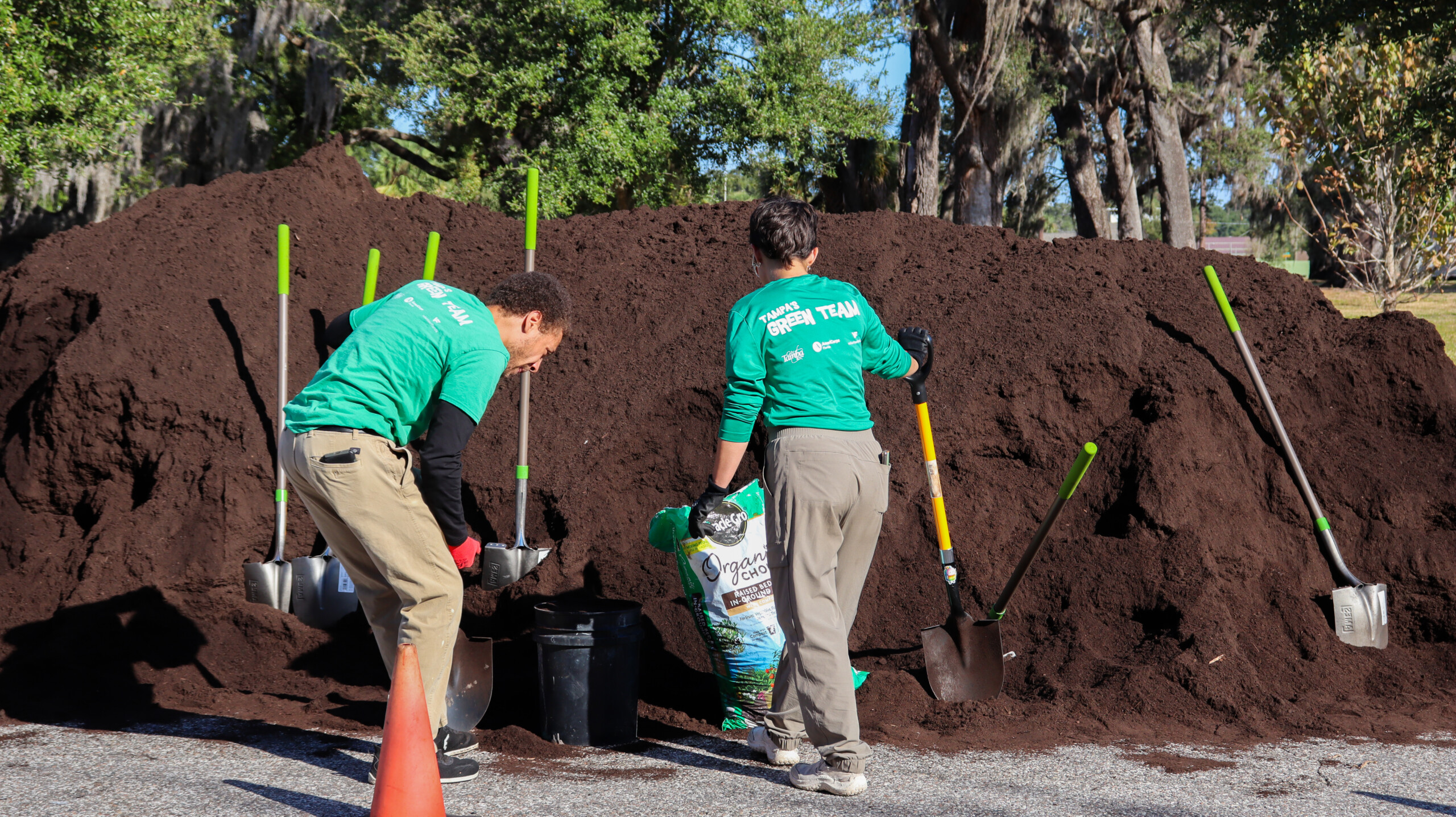
For example, during dry seasons, cities like Tampa partner with local compost manufacturers, like Veransa, to give residents access to nutrient-rich compost for their lawns and gardens. Adding just a thin layer of compost can reduce irrigation needs while helping lawns and gardens withstand dry spells.
Veransa’s work with diverted urban green waste plays an important role in this cycle. By processing storm debris, yard waste, and city-collected organics into consistent, mature compost, the material that once filled landfills is now used to improve public landscapes and conserve water.
Through composting, cities can save millions of gallons of water each year, improve soil health in public spaces, and support a more circular, environmentally responsible system for managing green waste.
Related Posts

Around the country, cities are searching for ways to maintain green spaces while reducing strain on water supplies. One of the most effective, low-cost, and sustainable tools they’re using is compost.
Urban landscapes — parks, medians, public lawns — are often built on compacted, low-organic-matter soils. These soils can’t hold water well, which leads to constant irrigation cycles and runoff.
When compost is applied to these areas, it immediately starts rebuilding the soil’s structure from the inside out.
This is why many municipalities now use compost to improve water efficiency.
For example, during dry seasons, cities like Tampa partner with local compost manufacturers, like Veransa, to give residents access to nutrient-rich compost for their lawns and gardens. Adding just a thin layer of compost can reduce irrigation needs while helping lawns and gardens withstand dry spells.
Veransa’s work with diverted urban green waste plays an important role in this cycle. By processing storm debris, yard waste, and city-collected organics into consistent, mature compost, the material that once filled landfills is now used to improve public landscapes and conserve water.
Through composting, cities can save millions of gallons of water each year, improve soil health in public spaces, and support a more circular, environmentally responsible system for managing green waste.