
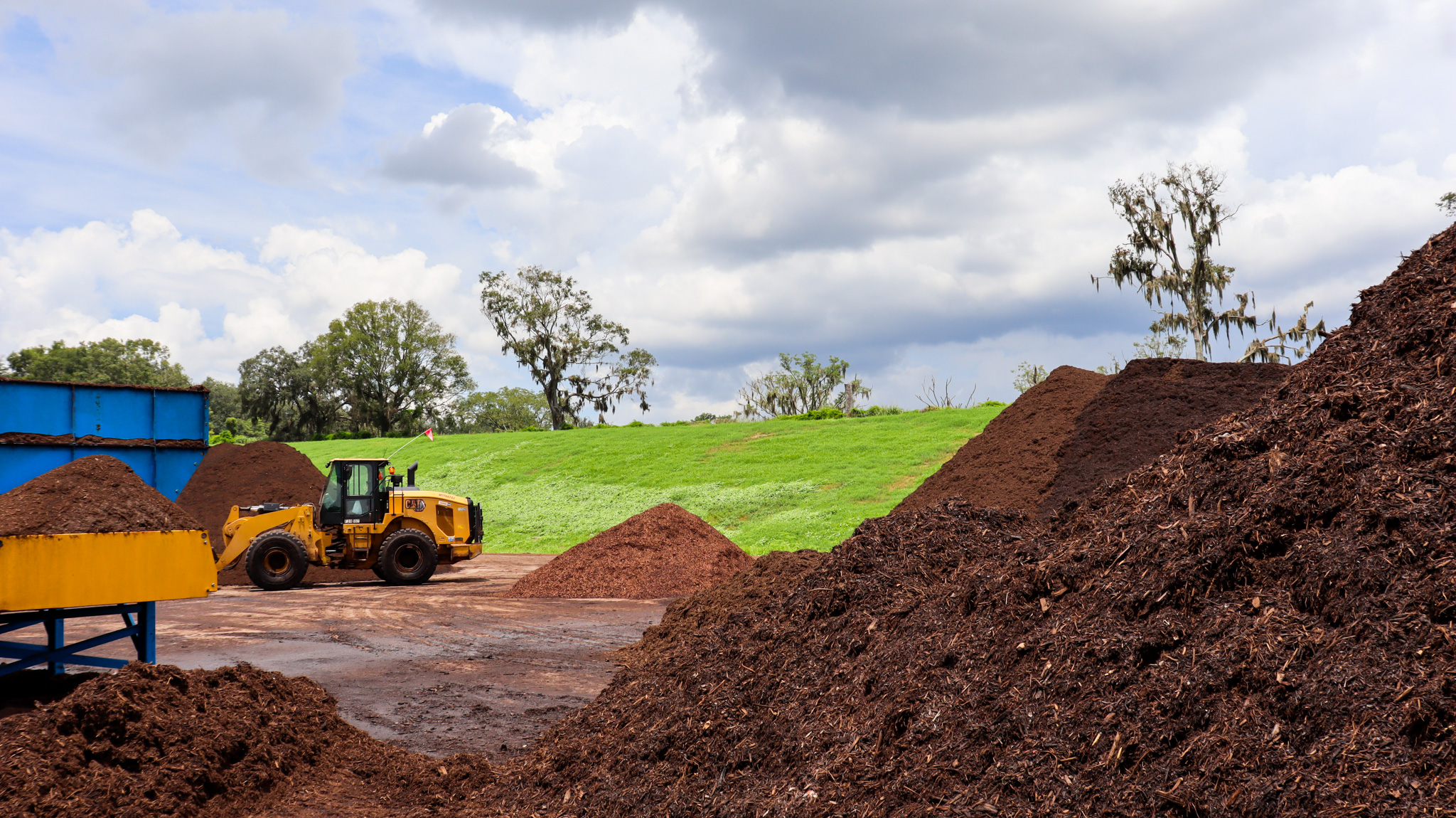
Winter may feel quiet on the surface, but beneath the ground, soil organisms are still busy transforming organic matter into nutrients. Even during cooler months, your soil is alive, which means winter is an excellent time to build it up.
Composting in the winter isn’t about generating heat. It’s about giving soil what it needs to stay active below the frost line.
When you add compost to garden beds, tree rings, or turf areas in winter, you’re feeding the microbes that continue working all season long. These microbes help break down organic matter into nutrients that will be ready for plants the moment temperatures warm again.
Veransa’s compost structure is particularly beneficial in winter because it’s fully matured before application. Mature compost blends smoothly into the top layer of soil without pulling nitrogen away from plant roots. It enhances soil structure, increases pore space, and helps prevent compaction — which is especially important during months when rainfall is lower and soils can tighten up.
A few simple winter composting tips:
- Topdress lawns to strengthen root zones before spring growth.
- Mulch with compost-rich blends to insulate roots and protect moisture.
- Add a thin layer to garden beds to jump-start microbial activity.
- Mix compost into potting soils to prepare for late-winter seed starting.
Winter isn’t downtime for your soil, it’s preparation time. By helping the soil stay active now, you’re setting your landscape up for a healthier, more resilient spring.
Related Posts
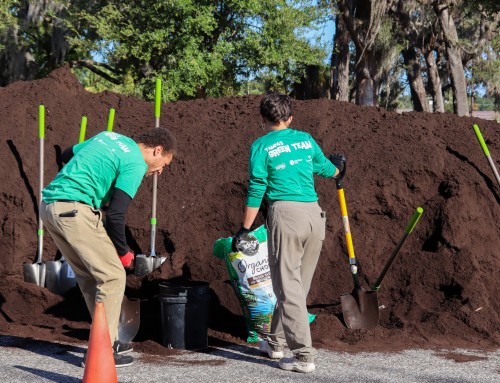


Winter may feel quiet on the surface, but beneath the ground, soil organisms are still busy transforming organic matter into nutrients. Even during cooler months, your soil is alive, which means winter is an excellent time to build it up.
Composting in the winter isn’t about generating heat. It’s about giving soil what it needs to stay active below the frost line.
When you add compost to garden beds, tree rings, or turf areas in winter, you’re feeding the microbes that continue working all season long. These microbes help break down organic matter into nutrients that will be ready for plants the moment temperatures warm again.
Veransa’s compost structure is particularly beneficial in winter because it’s fully matured before application. Mature compost blends smoothly into the top layer of soil without pulling nitrogen away from plant roots. It enhances soil structure, increases pore space, and helps prevent compaction — which is especially important during months when rainfall is lower and soils can tighten up.
A few simple winter composting tips:
- Topdress lawns to strengthen root zones before spring growth.
- Mulch with compost-rich blends to insulate roots and protect moisture.
- Add a thin layer to garden beds to jump-start microbial activity.
- Mix compost into potting soils to prepare for late-winter seed starting.
Winter isn’t downtime for your soil, it’s preparation time. By helping the soil stay active now, you’re setting your landscape up for a healthier, more resilient spring.