As sustainability takes center stage across agriculture, landscaping, and waste management, composting is gaining renewed attention—not just as an environmental solution, but as a modern industry driven by innovation. Once considered a niche practice, composting is now evolving into a vital component of circular economies, climate-smart agriculture, and green infrastructure.
With new technologies and methods reshaping how compost is produced, tested, and applied, the future of composting is brighter—and more impactful—than ever before.
Smarter Compost Production Through Technology
The composting process has traditionally relied on manual oversight and open-air methods. But today, data-driven systems are transforming how compost is produced.
Advanced monitoring tools—like temperature sensors, moisture probes, and oxygen meters—now allow compost producers to manage piles with precision. These tools help maintain optimal conditions for microbial activity, reduce production time, and ensure uniform quality.
Aerated static pile (ASP) systems and enclosed composting technologies are also gaining traction. These systems enhance airflow and microbial activity, minimize odor, and allow year-round composting even in urban or space-constrained environments. With automated turning and real-time data tracking, compost operations are becoming more efficient and scalable than ever before.
Quality Assurance with Scientific Rigor
As compost becomes more widely used in professional agriculture and landscaping, quality and consistency are paramount. Leading producers are embracing rigorous testing and certification protocols to meet high-performance standards.
Programs like the US Composting Council’s Seal of Testing Assurance (STA) provide third-party validation of compost quality, including nutrient content, pH, maturity, and pathogen safety. Monthly testing ensures the product meets strict industry benchmarks, giving farmers, landscapers, and municipal buyers greater confidence in the compost they apply.
Microbiological analysis is also becoming more common, helping producers understand and enhance the biological life within their compost—critical for supporting soil health and crop resilience.
Application Innovations: From Bulk to Precision
On the application side, compost is moving beyond bulk spreading. Precision compost application is an emerging trend that aligns with broader shifts toward precision agriculture. GPS-guided spreaders and variable rate technologies allow compost to be applied exactly where and how it’s needed—reducing waste and maximizing benefit.
Compost-based blends and bio-amendments are also on the rise. These formulations combine compost with biochar, minerals, or beneficial microbes to create tailored soil solutions for specific crops, climates, or soil conditions.
In urban areas, compost is increasingly used in green infrastructure projects such as rain gardens, bioswales, and green roofs—where its ability to retain moisture, filter runoff, and support plant growth is unmatched.
Closing the Loop: Composting as Circular Economy
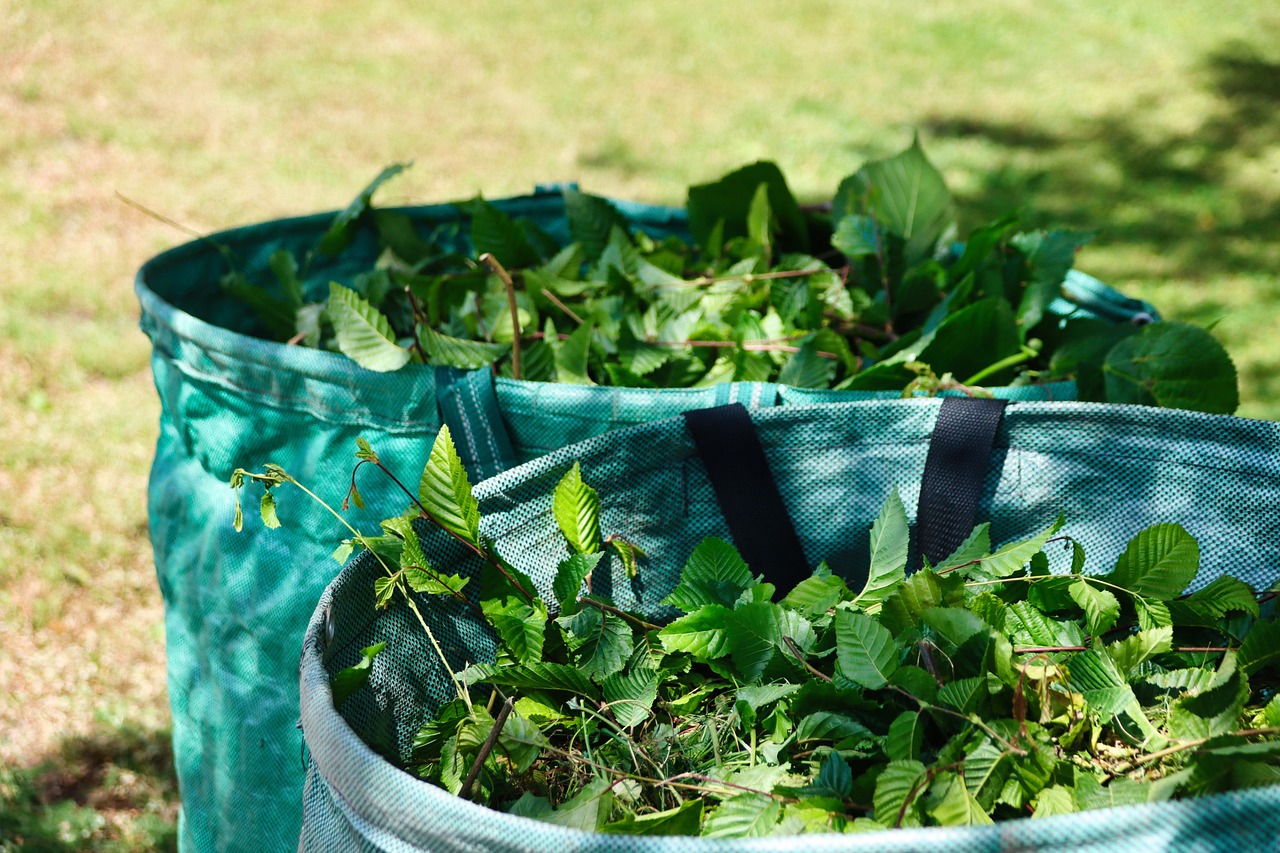
As more municipalities and businesses adopt zero-waste goals, composting is playing a key role in building circular systems. Food scraps, yard trimmings, and clean green waste are no longer viewed as waste—but as valuable inputs to regenerate soil.
Innovative cities and regions are investing in infrastructure for source-separated organics collection, commercial-scale composting facilities, and public-private partnerships that link waste management with agriculture.
At the same time, educational campaigns and compost-at-home programs are empowering individuals to participate in these systems, reinforcing community-wide sustainability.
Looking Ahead: Compost as Climate Strategy
Perhaps most significantly, composting is now recognized as a climate mitigation tool. By diverting organic waste from landfills, composting prevents methane emissions. And when applied to soil, compost helps sequester carbon, enhance resilience to drought, and reduce dependence on chemical fertilizers.
Governments and climate organizations are increasingly supporting composting through policy, grants, and sustainability standards—further driving adoption and innovation in the sector.
Veransa: Leading the Way in Modern Composting
At Veransa, we’re proud to be at the forefront of compost innovation. Our compost is:
-
Produced from inspected, clean green waste and pre-consumer food waste—never biosolids or animal byproducts
-
Managed using controlled, repeatable processes with monthly third-party testing
-
Rich in carbon, beneficial microbes, and organic matter to support healthy soil
As we look to the future, Veransa is committed to investing in sustainable composting technologies, expanding access to high-quality compost, and supporting climate-smart agriculture across Florida and beyond.
🌱 Stay ahead with composting trends and innovations at www.veransa.com.