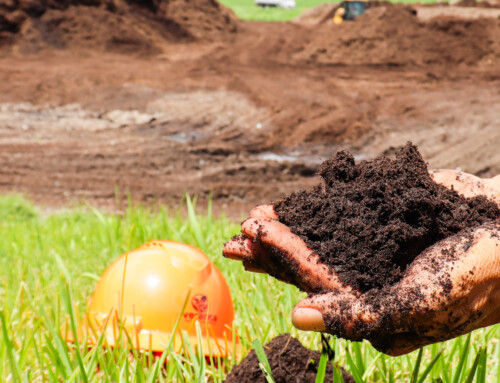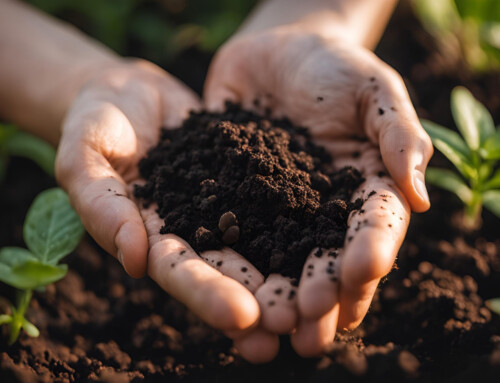
Healthy soils are the foundation of thriving ecosystems. From the smallest microorganisms underground to the vibrant pollinators above, every layer of life depends on nutrient-rich, balanced environments. One of the most powerful—and natural—tools for fostering this balance is compost. By enriching landscapes with compost, we can nurture microbial life, attract pollinators, and promote biodiversity both above and below the surface.
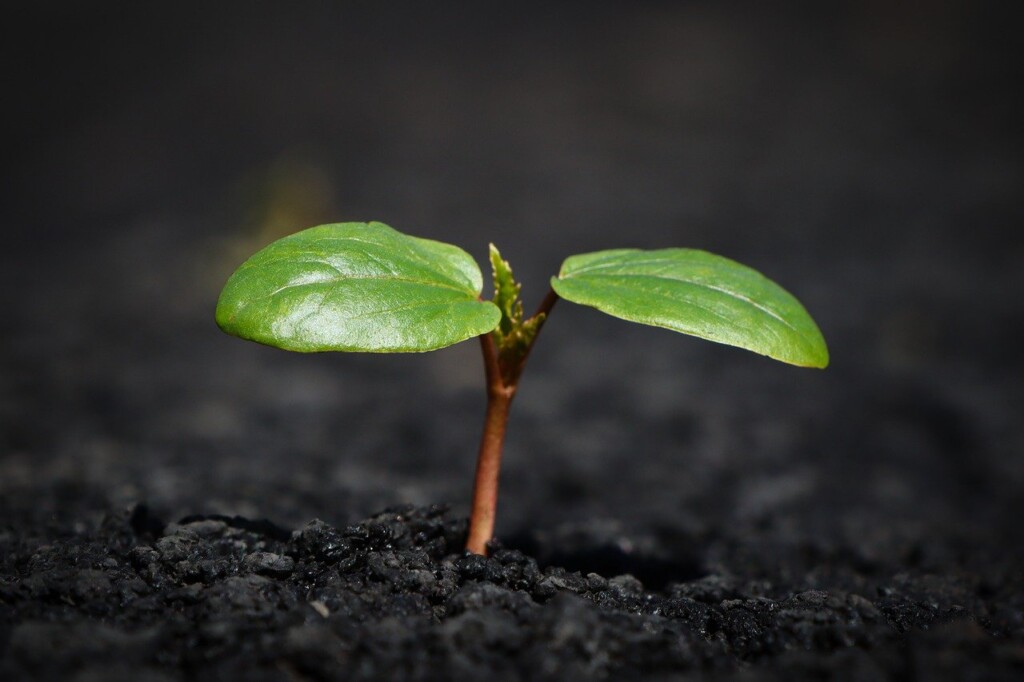
The Underground Network: Microbial Life in Compost-Enriched Soil
When compost is added to soil, it introduces a community of beneficial microbes, fungi, and organic matter that transform lifeless dirt into a living, breathing system. These microbes:
-
Break down organic matter into plant-available nutrients.
-
Improve soil structure for better water retention and aeration.
-
Support plant immunity by helping roots resist diseases and pests.
Healthy soils teeming with microbial life create stronger plants, which in turn support healthier ecosystems above ground.
Above Ground: Compost’s Role in Attracting Pollinators
A compost-enriched garden or agricultural field produces more vibrant, nutrient-rich plants that flower more profusely. This abundance of blooms is a magnet for pollinators like bees, butterflies, and hummingbirds.
Pollinators are essential for food production and ecosystem balance, yet many face threats from habitat loss, pesticides, and climate change. Compost can help by:
-
Creating healthier, pesticide-reduced landscapes that are safe for pollinators.
-
Extending flowering seasons, ensuring a consistent food supply.
-
Supporting native plants, which are often the preferred nectar sources for local pollinators.
Boosting Biodiversity Across the Landscape
Biodiversity is more than just the variety of species—it’s the web of interactions that keep ecosystems resilient. Compost contributes to this resilience by:
-
Encouraging diverse plant growth through improved soil health and fertility.
-
Providing habitat for beneficial insects, earthworms, and soil organisms.
-
Reducing the need for synthetic inputs, which can harm non-target species and disrupt ecological balance.
Whether in urban green spaces, home gardens, or large agricultural operations, compost helps landscapes support a greater diversity of life.
Why Veransa Compost Makes the Difference
Not all compost is created equal. Veransa’s premium compost is made from clean, plant-only inputs—free of biosolids, weed seeds, and synthetic additives. This ensures that what you put into your soil is safe for pollinators, wildlife, and the microorganisms that keep ecosystems thriving.
When you choose Veransa compost, you’re not just feeding your plants—you’re investing in the health of the entire ecosystem.
Cultivate Life, Above and Below Ground
From enriching soil microbes to attracting pollinators and supporting biodiversity, compost is an essential ingredient for a balanced, thriving environment. Whether you manage a farm, a garden, or community green space, the benefits go far beyond healthier plants—they ripple through the entire ecosystem.
See how compost fosters thriving ecosystems at www.veransa.com.