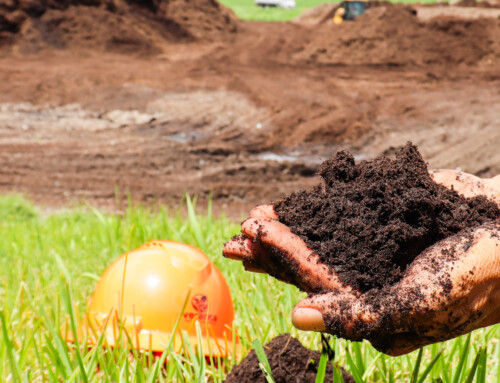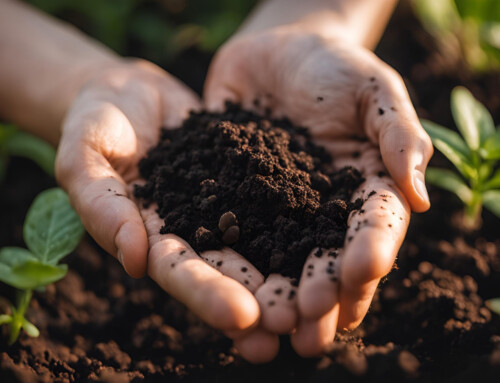
Farmers today are operating in an era of increasing uncertainty. Shifting rainfall patterns, rising temperatures, and extreme weather events are just a few of the challenges reshaping modern agriculture. As these climate impacts intensify, growers are searching for sustainable solutions that not only protect their yields but also improve the long-term health of their land. One such solution lies in a natural, time-tested practice: composting.
Compost plays a powerful role in climate-smart agriculture—an approach that emphasizes sustainability, resilience, and productivity in the face of climate variability. By enhancing soil health, improving water retention, and reducing greenhouse gas emissions, compost supports farmers in building more climate-resilient operations.
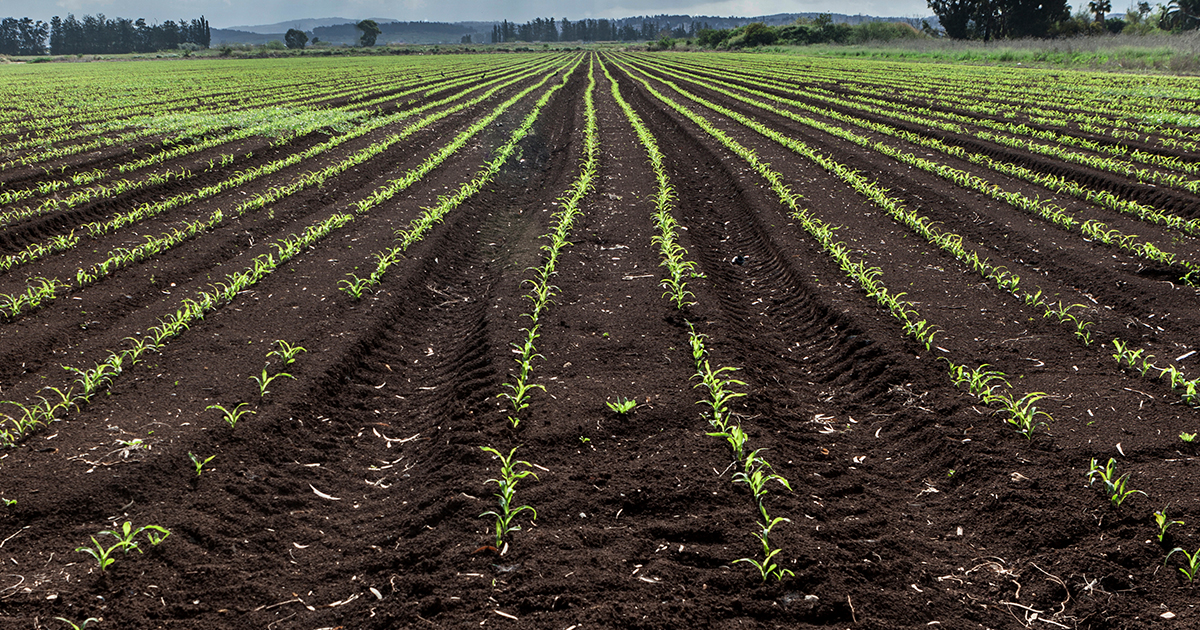
Strengthening Soil for Uncertain Weather
Soil is the foundation of agriculture—and healthy soils are more resilient to extreme conditions. Compost improves soil structure by increasing organic matter, which enhances aeration, moisture retention, and nutrient availability.
In dry conditions, compost-rich soils hold water longer, reducing the need for frequent irrigation. During heavy rains, improved soil structure helps prevent runoff and erosion, allowing fields to better absorb and store moisture. This dual benefit makes compost an ideal tool for buffering crops against both drought and flooding.
Supporting Plant Health and Productivity
Compost doesn’t just benefit soil—it supports the crops growing in it. By slowly releasing nutrients and stimulating microbial activity, compost helps plants grow stronger root systems and become more resistant to stress and disease.
Healthier plants are better equipped to withstand environmental pressures like heatwaves, unexpected frosts, and pest outbreaks—all of which are expected to increase as the climate continues to change. With compost, farmers can nurture more resilient crops while reducing dependence on synthetic fertilizers and pesticides.
Reducing Greenhouse Gas Emissions
Composting also plays a role in mitigating climate change. Organic waste that ends up in landfills decomposes anaerobically, producing methane—a greenhouse gas over 25 times more potent than carbon dioxide. When organic materials are composted instead, they break down aerobically, drastically reducing methane emissions.
Additionally, compost-amended soils store more carbon through a process known as carbon sequestration. By building soil organic matter, farmers help remove CO₂ from the atmosphere and lock it into the ground—turning their fields into part of the climate solution.
Increasing Farm Resilience & Reducing Risk
Climate-smart agriculture isn’t just about responding to environmental change—it’s also about managing economic risk. Farmers who incorporate compost into their operations often experience:
-
Improved yields and crop consistency
-
Lower input costs from reduced reliance on synthetic fertilizers and irrigation
-
Less damage from weather extremes and pests
-
Enhanced soil fertility that grows stronger each season
These outcomes not only boost profitability but also make farms more stable and sustainable over time. In this way, compost is a long-term investment in both ecological and economic resilience.
Compost as a Scalable Solution
As the demand for climate-smart practices grows, compost offers a scalable, accessible solution for farms of all sizes. From large-scale row crop operations to small specialty farms, integrating compost into soil management plans delivers measurable improvements.
At Veransa, we produce high-quality compost from clean, inspected green waste and pre-consumer food scraps—never biosolids or animal byproducts. Our compost is:
-
Rich in organic matter and beneficial microbes
-
Tested monthly by third-party labs
-
Consistent in quality and easy to apply
Whether you’re looking to protect your crops from unpredictable weather or reduce your environmental impact, Veransa compost offers a practical, effective path forward.
Learn How Compost Empowers Sustainable Farming
In the face of climate uncertainty, farmers need every tool available to build resilient, productive systems. Compost is one of the most effective natural tools for meeting that challenge—restoring soil health, improving water use, and reducing environmental risk.
🌱 Learn how compost empowers sustainable farming at www.veransa.com.