When it comes to enriching soil and boosting plant growth, two options dominate the conversation: compost and chemical fertilizers. Both offer benefits, but they differ greatly in performance, environmental impact, and long-term value. Understanding these differences can help homeowners, landscapers, and growers make smarter choices for healthier plants—and a healthier planet.
Performance: Natural Balance vs. Quick Fix
Chemical fertilizers deliver a rapid dose of nutrients directly to plants. This quick release can spur fast growth, which appeals to those looking for immediate results. However, this approach often bypasses the soil’s natural ecosystem, leaving it dependent on repeated applications.
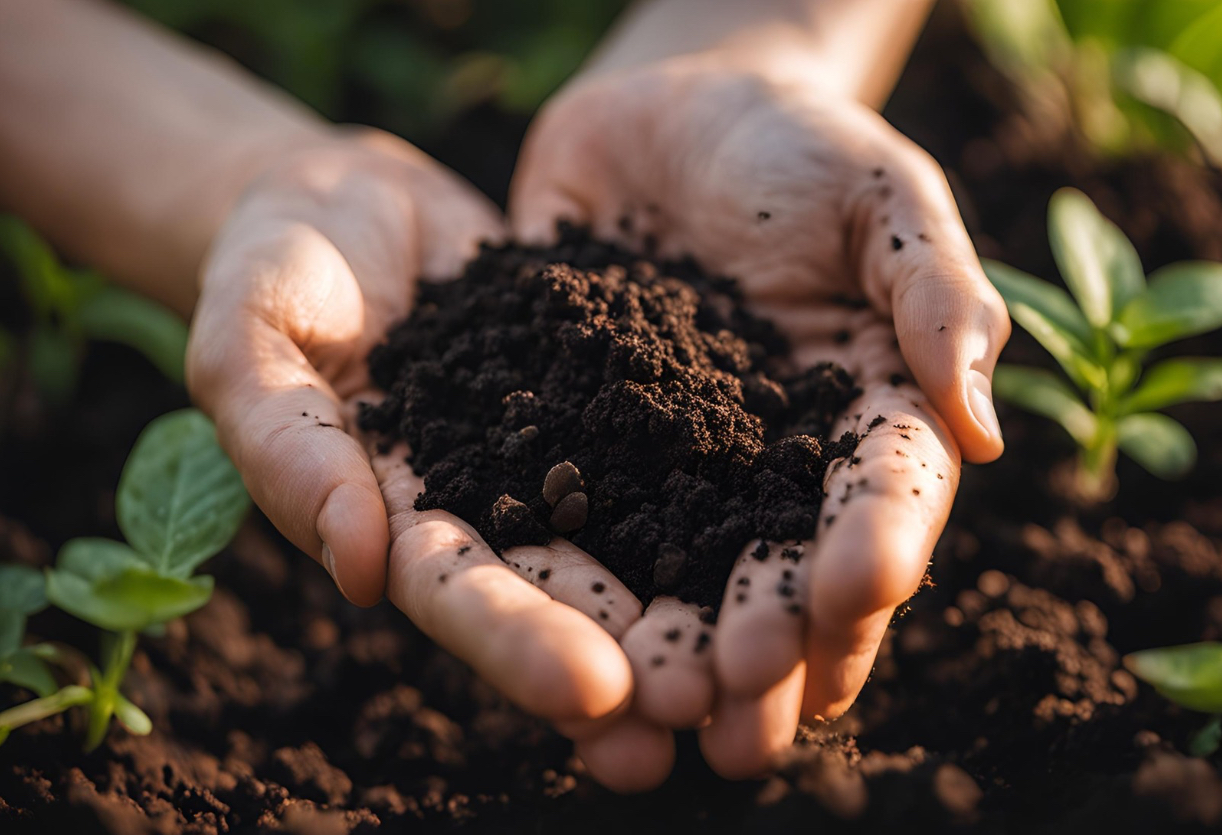
Compost, on the other hand, works more like a slow-release system. Rich in organic matter, it steadily feeds plants while also improving soil texture, water retention, and microbial life. While results may take longer to show, compost fosters balanced, resilient growth that sustains itself over time.
Bottom line: Chemical fertilizers can provide instant gratification, but compost builds long-lasting soil health.
Environmental Impact: Pollution vs. Regeneration
Chemical fertilizers have been linked to runoff that contaminates waterways, contributing to algae blooms, fish die-offs, and degraded ecosystems. Their production also relies heavily on fossil fuels, adding to greenhouse gas emissions.
Compost offers a very different story. Made from recycled organic materials, it diverts waste from landfills and returns nutrients back into the soil. It also helps sequester carbon, reduces erosion, and supports biodiversity. In short, compost regenerates rather than depletes.
Bottom line: Compost is an eco-friendly choice that supports the planet, while chemical fertilizers often harm it.
Long-Term Value: Dependence vs. Sustainability
Chemical fertilizers can create a cycle of dependency. Because they don’t enhance soil structure, soils may degrade over time—requiring more inputs to achieve the same results. This can become costly and unsustainable.
Compost, however, is an investment in the soil itself. By improving fertility, structure, and water-holding capacity, compost reduces the need for additional products. Healthier soil means stronger plants, fewer pests, and lower costs over the long run.
Bottom line: Compost builds sustainable value, while chemical fertilizers risk long-term depletion.
The Sustainable Choice
When comparing compost and chemical fertilizers side by side, the choice is clear: compost offers lasting benefits for both soil and the environment. It might not act as quickly as synthetic options, but its power lies in building a foundation for thriving landscapes that endure.
At Veransa, we believe in better soil solutions that enrich the earth instead of depleting it. By choosing compost, you’re not only supporting plant growth—you’re supporting a sustainable future.
Choose better soil solutions at www.veransa.com.
Related Posts

When it comes to enriching soil and boosting plant growth, two options dominate the conversation: compost and chemical fertilizers. Both offer benefits, but they differ greatly in performance, environmental impact, and long-term value. Understanding these differences can help homeowners, landscapers, and growers make smarter choices for healthier plants—and a healthier planet.
Performance: Natural Balance vs. Quick Fix
Chemical fertilizers deliver a rapid dose of nutrients directly to plants. This quick release can spur fast growth, which appeals to those looking for immediate results. However, this approach often bypasses the soil’s natural ecosystem, leaving it dependent on repeated applications.
Compost, on the other hand, works more like a slow-release system. Rich in organic matter, it steadily feeds plants while also improving soil texture, water retention, and microbial life. While results may take longer to show, compost fosters balanced, resilient growth that sustains itself over time.
Bottom line: Chemical fertilizers can provide instant gratification, but compost builds long-lasting soil health.
Environmental Impact: Pollution vs. Regeneration
Chemical fertilizers have been linked to runoff that contaminates waterways, contributing to algae blooms, fish die-offs, and degraded ecosystems. Their production also relies heavily on fossil fuels, adding to greenhouse gas emissions.
Compost offers a very different story. Made from recycled organic materials, it diverts waste from landfills and returns nutrients back into the soil. It also helps sequester carbon, reduces erosion, and supports biodiversity. In short, compost regenerates rather than depletes.
Bottom line: Compost is an eco-friendly choice that supports the planet, while chemical fertilizers often harm it.
Long-Term Value: Dependence vs. Sustainability
Chemical fertilizers can create a cycle of dependency. Because they don’t enhance soil structure, soils may degrade over time—requiring more inputs to achieve the same results. This can become costly and unsustainable.
Compost, however, is an investment in the soil itself. By improving fertility, structure, and water-holding capacity, compost reduces the need for additional products. Healthier soil means stronger plants, fewer pests, and lower costs over the long run.
Bottom line: Compost builds sustainable value, while chemical fertilizers risk long-term depletion.
The Sustainable Choice
When comparing compost and chemical fertilizers side by side, the choice is clear: compost offers lasting benefits for both soil and the environment. It might not act as quickly as synthetic options, but its power lies in building a foundation for thriving landscapes that endure.
At Veransa, we believe in better soil solutions that enrich the earth instead of depleting it. By choosing compost, you’re not only supporting plant growth—you’re supporting a sustainable future.
Choose better soil solutions at www.veransa.com.